
Gele Headwrap RFQs: Confirm the Supplied Form
For a Gele headwrap supply-form RFQ, ask the supplier to show the actual item in the form it proposes to deliver. Clarify whether the offer is formed, prepared, unformed or supplied in another described state. Connect the included pieces, sample and packing reference to the quotation so that the styled catalogue appearance is not mistaken for a confirmed delivery configuration.
When sourcing wholesale gele, a styled product portrait can help a buyer identify the intended look without explaining what arrives in the package. Purchasing needs a clear description of the physical supply unit. A delivery-form record gives the supplier a concrete question to answer and helps the buyer compare proposals that may otherwise use the same product-family name.
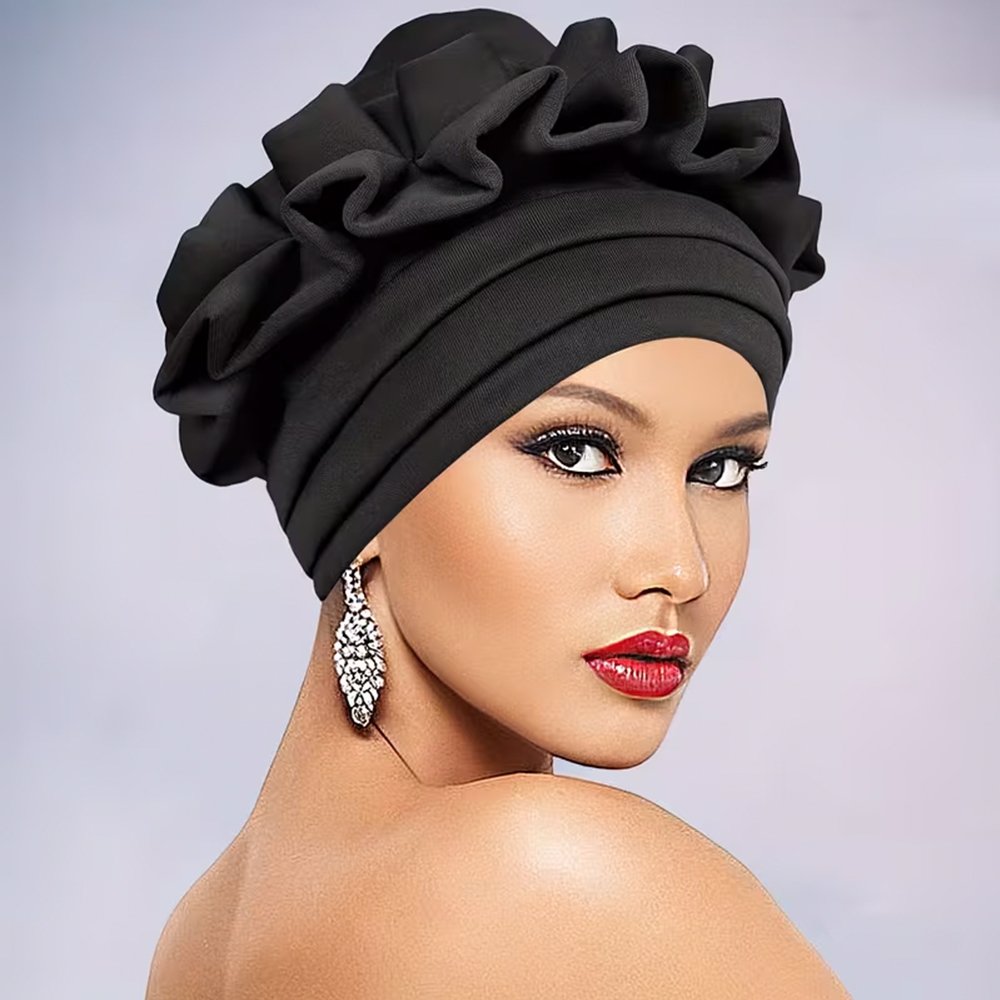
Official Gele catalogue presentation. Ask the supplier to identify the actual delivered form; styling does not define the supply state.
Identify the offered item behind the styled presentation
The official catalogue lists an African Gele headwrap for women and shows a black layered presentation with a raised folded form. Use the selected listing as the starting reference and ask the supplier to identify the actual offered version. The styled image does not by itself define the form in which an item is supplied or what preparation belongs to that offer.
Request the supplier item identifier and connect it to the particular catalogue presentation being discussed. If a different design or version is proposed, keep that alternative under a separate reference. A purchasing record should make it possible to distinguish the requested presentation from the actual supplier proposal without assuming they are the same physical configuration.
Ask the supplier to describe the delivery state
Ask for a photograph or other clear reference showing the item as the supplier proposes to deliver it. Request a plain description of the supply state, such as formed, prepared or unformed if those descriptions apply to the actual offer. Let the supplier explain its terminology so that a familiar commercial phrase does not stand in for an undefined construction or preparation level.
Keep the delivered form distinct from the result shown in the styled portrait. If the supplier uses the same image for both, ask it to explain that relationship. The buyer is requesting a supply description rather than a wearing or assembly tutorial. The response should establish what is being quoted before either party treats a particular prepared form as included.
Buying field
Requested supplier response
Offered item
Supplier Gele version identifier and the selected catalogue reference.
Delivery form
Plain supplier description of the actual state proposed for supply.
Physical contents
Included pieces or components, if any, identified against the quoted unit.
Sample relationship
Reference showing which sample represents the proposed delivered form.
Packing proposal
Supplier description of how that offered item or assembly is packed.
Accepted revision
Agreed supply-form record connected to the quotation and sample.
Separate long braid-cap catalogue product. It is not a component or confirmation of the Gele offered unit.
Define the physical contents of the quoted unit
Ask the supplier to describe the complete unit covered by its price. Where the proposal includes more than one piece or another component, request an itemised description and the applicable quantity basis. Keep separately offered items distinguishable. Do not add an attachment or accessory to the order simply because the styled photograph leaves the support or fastening arrangement out of view.
The long braid cap above is a separate catalogue product, not a component of the Gele offer. Its visible extensions do not define the contents or supply state of another headwear item. If several products are included in the inquiry, ask for a separate supplied-unit description for each one rather than combining them into an assumed assortment.
Match the proposed sample to the supply-form record
Ask the supplier to identify the sample that represents the proposed delivery form. Retain a reference that connects that sample to the item identifier and quotation. A display sample and a delivery sample can serve different purposes in the discussion, so ask the supplier to state which role each reference has. Keep those descriptions clear rather than assuming that every portrait documents the packed item.
Where the proposed sample differs from the selected catalogue presentation, describe the specific supply-form question and request the supplier explanation. The useful response is one that identifies the actual offer, including any separately proposed preparation. Record that proposal before accepting it. This creates a practical purchasing trail without inventing fabric, dimensions, fastening features or a promised fit from appearance.
Separate durag catalogue product. Its appearance does not define the Gele construction, components or delivery form.
Connect the packing proposal and repeat order to the same version
The durag presentation above is another separate catalogue product. It is not a part of the Gele supply and does not establish the same construction, delivery form or included pieces. Keep its offer distinct when discussing a wider headwear range. Related products can help identify the supplier catalogue, while each purchase line still needs its own physical supply description.
Before accepting the Gele quotation, compare the supplied-unit description, sample and packing proposal. Ask the supplier to identify how the packing reference relates to the agreed delivery form. Retain the accepted revision with the order. For a repeat purchase, ask whether the earlier supply state remains applicable and make a proposed change visible rather than treating it as an unchanged item under the same general product name.
Buyer FAQ
Does the styled Gele portrait establish a preformed or pre-tied offer?
Ask the supplier to show and describe the actual delivered form. The presentation alone does not define what preparation is included in the quotation.
What should identify the physical unit being purchased?
Keep the supplier item identifier, delivery-state description and any included pieces connected to the quoted unit and sample reference.
Can another headwear picture define the Gele contents?
Keep the products separate. A braid cap or durag presentation does not establish the components or supply state of the Gele offer.
What should happen if the delivery form changes on a repeat order?
Request the revised supply description and sample or packing reference, then align that proposal with the quotation before treating it as the accepted version.
Begin with the official Gele product reference, review the headwear catalogue and request the actual supplied-form record through the supplier website.
Identify the actual offered Gele item and delivery state.
Request the complete quoted unit and any included-piece description.
Retain the matching sample, packing proposal and accepted revision.
wholesale geleB2B supplier sample record