Exploring the Popularity of Muslim Hijabs in East African Markets: A Fashion Perspective
1. Introduction to Muslim Hijabs in East Africa
The Muslim hijab carries profound cultural and religious significance for countless women around the world, particularly in East Africa. It serves not only as a means of modesty in line with Islamic teachings but also as a powerful expression of identity and personal style. In East Africa, a region characterized by its rich tapestry of cultures and traditions, the hijab has transformed into a vital component of the local fashion scene. This article explores the relevance of Muslim hijabs within East African headwear markets, examining market trends, specifications, use cases, sourcing strategies, and more.
2. Market Trends for Muslim Hijabs
Current Demand Analysis
In recent years, the demand for Muslim hijabs in East Africa has experienced steady growth. This trend can be attributed to several factors, including a burgeoning population of Muslim women and an increasing awareness of modest fashion. Urbanization, coupled with the rise of social media platforms, has also played a crucial role, facilitating greater exposure to a variety of hijab styles and trends.
In countries such as Kenya, Tanzania, and Uganda, the hijab has evolved beyond a mere religious garment to become a fashionable accessory. Retailers are witnessing a surge in demand for hijabs that blend traditional designs with contemporary styles, appealing to a younger demographic that seeks both modesty and modernity.
Growth Projections in East African Markets
Looking ahead, the market for Muslim hijabs in East Africa is set for substantial growth. Analysts predict that demand will continue to rise as more women enter the workforce and seek stylish yet modest clothing options. Furthermore, the influence of global fashion trends and innovative local designers will likely contribute to this growth. Retailers who can capitalize on these trends will discover lucrative opportunities both in physical stores and online platforms.
3. Specifications of Muslim Hijabs
Fabric Types and Quality
The quality of fabric used in Muslim hijabs is critical to their appeal. Common materials include cotton, chiffon, silk, and jersey, each offering distinct benefits. For instance, cotton hijabs are favored for their breathability and comfort, making them ideal for everyday wear. In contrast, chiffon and silk hijabs are often preferred for special occasions due to their elegant drape and luxurious feel.
Retailers must be diligent about fabric sourcing, ensuring that the materials are not only high-quality but also durable enough for regular use. This emphasis on quality can significantly enhance customer satisfaction and foster brand loyalty. For more insights on sourcing quality materials, retailers can explore our product offerings.
Design Variations and Styles
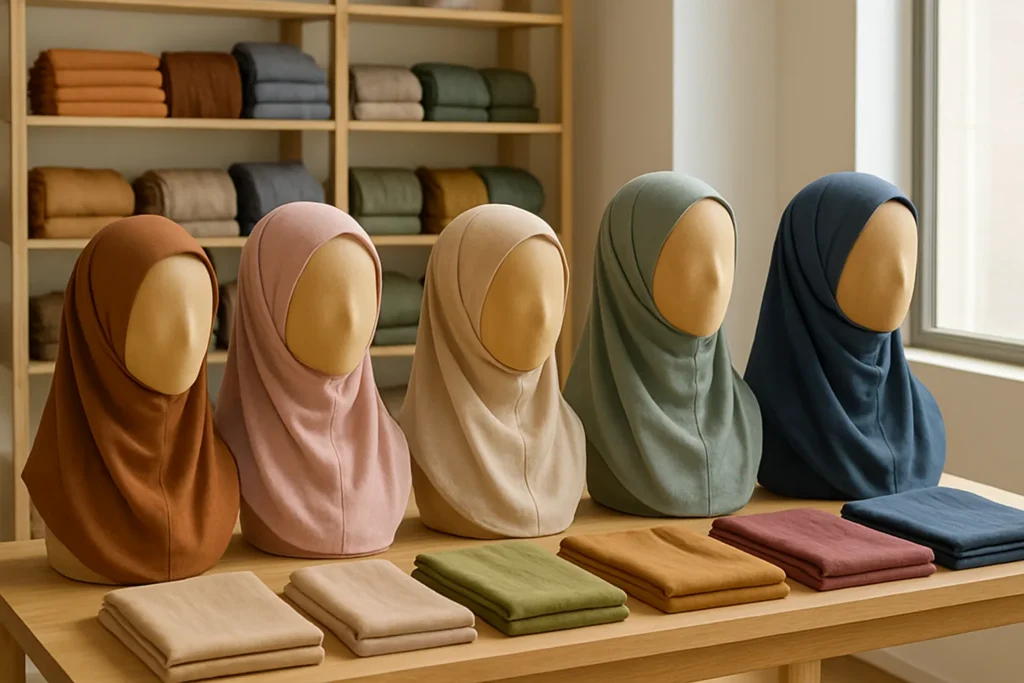
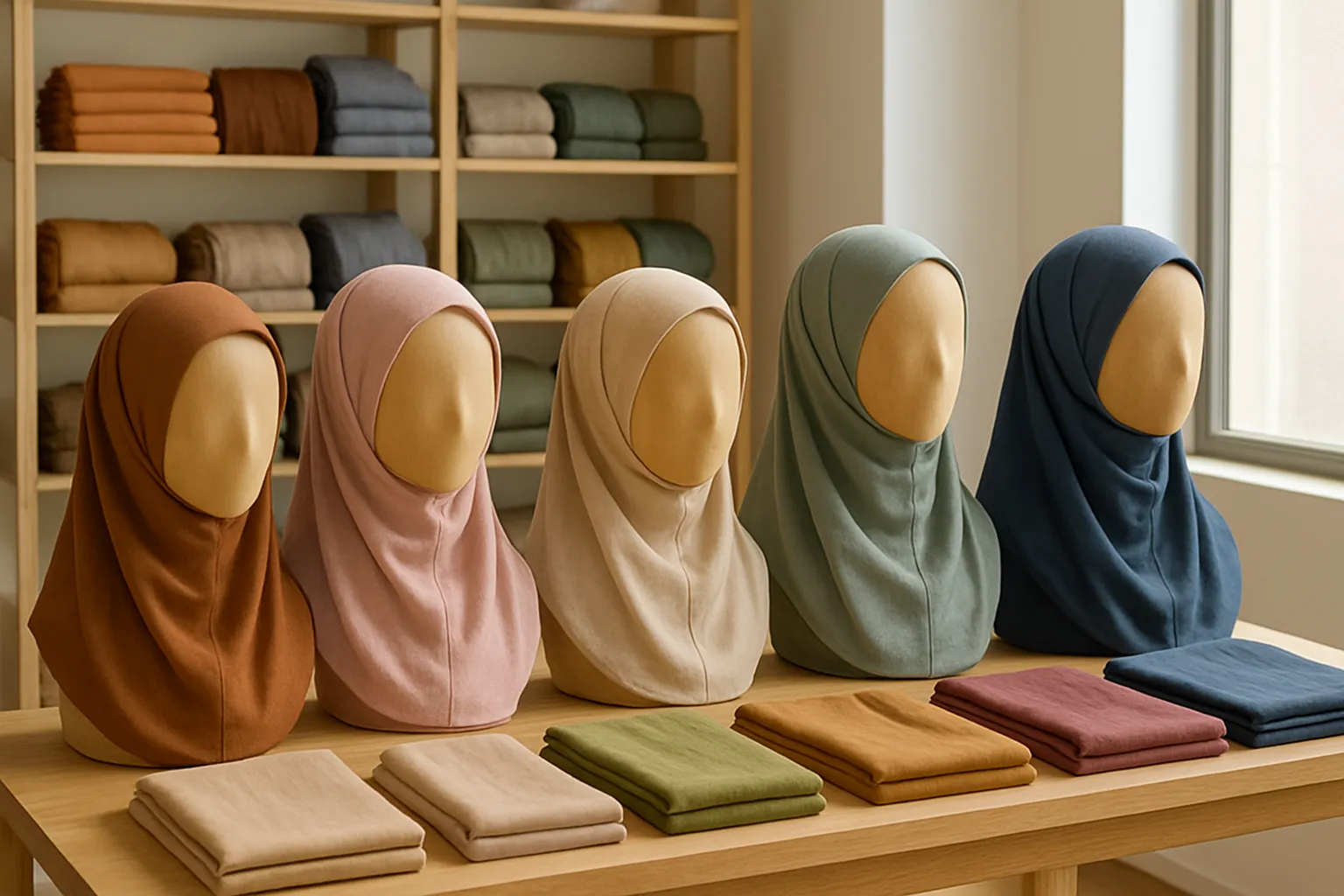
The design of Muslim hijabs in East Africa is as diverse as the cultures within the region. Styles vary from traditional, full-covering hijabs to more contemporary wraps that allow for personal expression. Popular designs include printed hijabs, embellished styles, and those featuring unique cuts and shapes. Retailers can attract a broader audience by offering a variety of designs that cater to different tastes, occasions, and cultural backgrounds.
4. Use Cases for Muslim Hijabs
Everyday Wear vs. Special Occasions
Muslim hijabs serve multiple purposes, making them versatile items in any wardrobe. For everyday wear, many women prefer simple, comfortable designs that can be styled effortlessly for daily activities. Conversely, during special occasions such as weddings or religious festivals, more elaborate hijabs with intricate designs and embellishments are favored.
Retailers can benefit from understanding these use cases and tailoring their product offerings accordingly. By providing a range of options suitable for both everyday and special occasions, businesses can cater to the diverse needs of their customers.
Impact on Fashion Trends
The hijab has increasingly become a symbol of fashion and empowerment. Influencers and fashion icons are redefining hijab styles, showcasing how they can be seamlessly integrated into modern fashion. This shift has encouraged many women to embrace the hijab not just as a religious obligation but as a fashion statement, influencing broader fashion trends in East Africa. For further reading on the cultural significance of hijabs, refer to this industry reference.
5. Sourcing Muslim Hijabs
Local vs. International Suppliers
When it comes to sourcing Muslim hijabs, retailers have the choice between local and international suppliers. Local suppliers often possess a better understanding of regional tastes and preferences, which can lead to more culturally relevant products. Additionally, sourcing locally can reduce shipping costs and support the local economy.
On the other hand, international suppliers may provide a wider array of styles and fabrics. Retailers must carefully weigh these options, considering factors such as cost, quality, and the ability to meet demand.
Ethical Sourcing Considerations
In today’s market, ethical sourcing is becoming increasingly important to consumers. Retailers must ensure that their hijabs are produced under fair labor conditions and that the materials used are sustainable. Transparency in sourcing practices can enhance brand reputation and attract ethically-minded consumers, making it a vital consideration for businesses in the headwear market.
6. Implementation Strategies for Retailers
Effective Marketing Techniques
To effectively market Muslim hijabs, retailers should leverage social media and influencer partnerships. Engaging with local influencers who resonate with the target demographic can create authentic connections and drive sales. Additionally, content marketing strategies that highlight the cultural significance and versatility of hijabs can educate consumers and enhance brand loyalty.
Retailers may also consider hosting events or workshops that celebrate hijab fashion, allowing customers to engage with the brand in a meaningful way.
Inventory Management Best Practices
Efficient inventory management is crucial for retailers in the fast-paced fashion industry. Utilizing data analytics to track sales trends can help businesses make informed decisions about restocking popular items and discontinuing less successful ones. Furthermore, implementing a just-in-time inventory system can reduce overhead costs and ensure that retailers can respond swiftly to changing market demands.
7. Comparisons with Other Headwear
Hijabs vs. Other Traditional Headwear
In the East African context, Muslim hijabs often compete with other forms of traditional headwear, such as kanga and leso. While these garments serve different purposes and are steeped in their own cultural significance, the hijab has carved out a unique niche within the fashion landscape. Retailers can position hijabs as not only a religious garment but also a fashionable choice that complements various styles and occasions.
Market Positioning Against Competitors
To stand out in a competitive market, retailers must clearly define their unique selling propositions. This could include offering exclusive designs, high-quality materials, or exceptional customer service. Understanding the competitive landscape and identifying gaps in the market can help businesses position their hijabs effectively against other headwear options.
8. Frequently Asked Questions
Common Inquiries from Buyers
Buyers often have questions regarding the care and maintenance of hijabs, the availability of various styles, and the sizing options. Retailers should provide clear, informative responses to these inquiries to enhance customer confidence and satisfaction.
Addressing Misconceptions
There are many misconceptions surrounding the hijab, particularly regarding its significance and the reasons women choose to wear it. Retailers can play a pivotal role in dispelling these myths by providing educational content that highlights the diversity of hijab-wearing women and their personal stories. This approach not only fosters understanding but also promotes a positive image of the hijab in the broader fashion community.
Conclusion
The popularity of Muslim hijabs in East African markets reflects a blend of cultural significance, fashion evolution, and market opportunity. As demand continues to grow, retailers who understand the nuances of this market and implement effective strategies can thrive. By focusing on quality, ethical sourcing, and innovative marketing, businesses can not only meet the needs of their customers but also contribute to the rich tapestry of East African fashion.