
Essential Guide to Custom Made Headwraps for Retailers
In recent years, custom made headwraps have gained substantial popularity in the retail market, becoming essential accessories for fashion-conscious consumers. These versatile pieces not only serve as stylish additions to an outfit but also hold cultural significance for many communities. As a retailer, understanding the increasing demand for custom made headwraps can distinguish your business in a competitive landscape. This article will guide you through the essential considerations for selecting the right custom made headwraps for your retail store, ensuring you meet your customers’ needs while maximizing your profits.
Understanding Custom Made Headwraps
Definition and Features
Custom made headwraps are personalized fabric accessories designed to be worn on the head. Unlike mass-produced options, these headwraps can be tailored in terms of size, design, and material, allowing retailers to offer unique products that resonate with their target audience. Features may include adjustable ties, various lengths, and intricate patterns that reflect individual style preferences.
Types of Materials Used
When it comes to custom made headwraps, the choice of material is crucial. Common fabrics include cotton, silk, and polyester, each offering distinct benefits. Cotton is breathable and comfortable, making it ideal for everyday wear. Silk provides a luxurious feel and is perfect for special occasions, while polyester is durable and often more affordable. Understanding the materials will help you select the right options that appeal to your customer base.
Customization Options Available
Customization is a key selling point for headwraps. Retailers can choose from a variety of design elements, such as colors, patterns, and sizes. Additionally, options for branding, such as adding logos or unique tags, can enhance the product’s appeal. Offering a range of customization options enables retailers to cater to diverse consumer tastes and preferences.
Identifying Your Target Audience
Demographic Considerations
Identifying your target audience is essential for selecting the right custom made headwraps. Consider factors such as age, gender, and income level. For instance, younger consumers may prefer trendy designs, while older customers may lean towards classic styles. Conducting market research can help you understand who your potential customers are and what they are looking for in headwraps.
Style Preferences
Understanding style preferences is equally important. Different demographics may gravitate towards various styles, such as bohemian, modern, or traditional. By analyzing current fashion trends and consumer feedback, you can curate a selection of headwraps that align with the tastes of your target audience.
Cultural Significance
Headwraps often carry cultural significance, particularly in African and Caribbean communities. Acknowledging this aspect can enhance your brand’s authenticity and appeal. Educating your customers about the history and meaning of headwraps can foster a deeper connection and appreciation for the products you offer.
Sourcing Headwraps
Finding Reliable Suppliers
Sourcing high-quality custom made headwraps begins with identifying reliable suppliers. Look for manufacturers with a proven track record in producing headwear. Attend trade shows, explore online marketplaces, and connect with industry networks to discover potential suppliers. Building strong relationships with your suppliers can lead to better pricing and more favorable terms.
Headscarf Wholesale Options
When sourcing headwraps, consider headscarf wholesale options. Buying in bulk can significantly reduce costs, allowing you to offer competitive prices to your customers. Ensure that the wholesale supplier you choose offers a variety of styles and customization options to meet your retail needs.
Evaluating Supplier Quality
Quality is paramount when selecting suppliers for custom made headwraps. Request samples to assess the fabric, stitching, and overall craftsmanship. Additionally, check for reviews and testimonials from other retailers. A supplier with a reputation for high-quality products will help you maintain customer satisfaction and loyalty.
Comparing Customization Options
Design Flexibility
One of the key advantages of custom made headwraps is design flexibility. Compare different suppliers to see who offers the most versatile design options. A supplier that allows you to create unique patterns or collaborate on designs can set your retail store apart from competitors.
Minimum Order Quantities
Different suppliers will have varying minimum order quantities (MOQs). It’s essential to find a supplier whose MOQs align with your business model. If you’re just starting, a supplier with lower MOQs may be more beneficial, allowing you to test the market without significant upfront investment.
Pricing Structures
Understanding the pricing structures of potential suppliers is crucial for maintaining profitability. Inquire about pricing tiers based on order volume, customization fees, and any additional costs. A transparent pricing structure will help you accurately forecast expenses and set competitive retail prices.
Implementation Strategies
Integrating Headwraps into Your Product Line
Once you have sourced your custom made headwraps, the next step is to integrate them into your product line. Consider how headwraps complement your existing offerings. For example, pairing them with apparel or accessories can enhance their appeal and encourage cross-selling.
Marketing Custom Made Headwraps
Effective marketing strategies are essential for promoting your custom made headwraps. Utilize social media platforms, influencer partnerships, and email marketing to reach your target audience. Highlight the unique features of your headwraps, such as customization options and cultural significance, to engage potential customers.
Display and Merchandising Tips
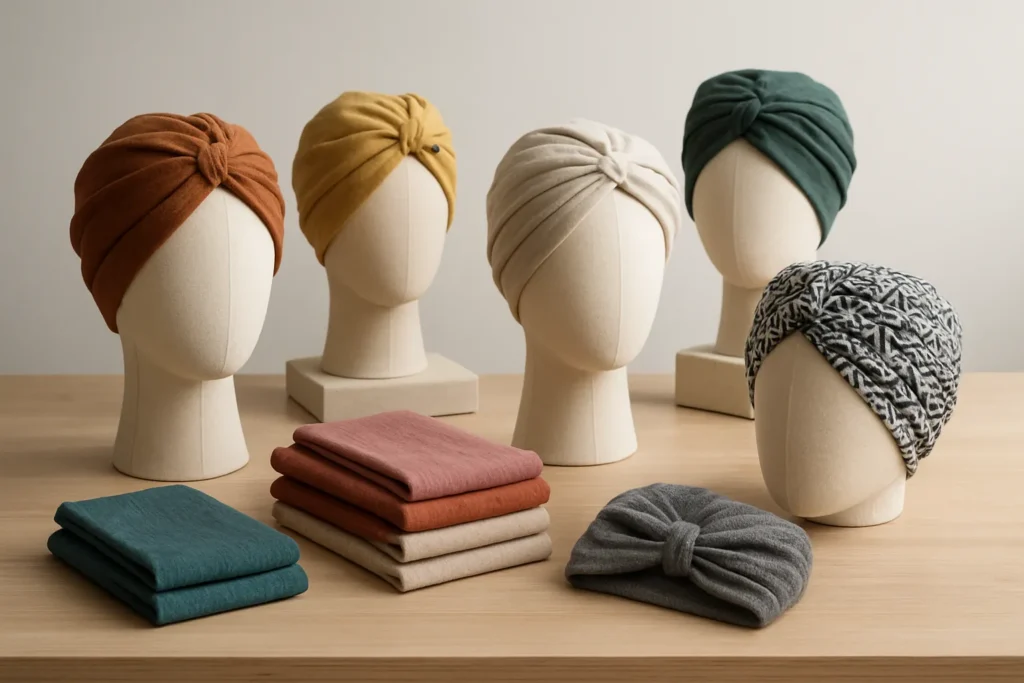
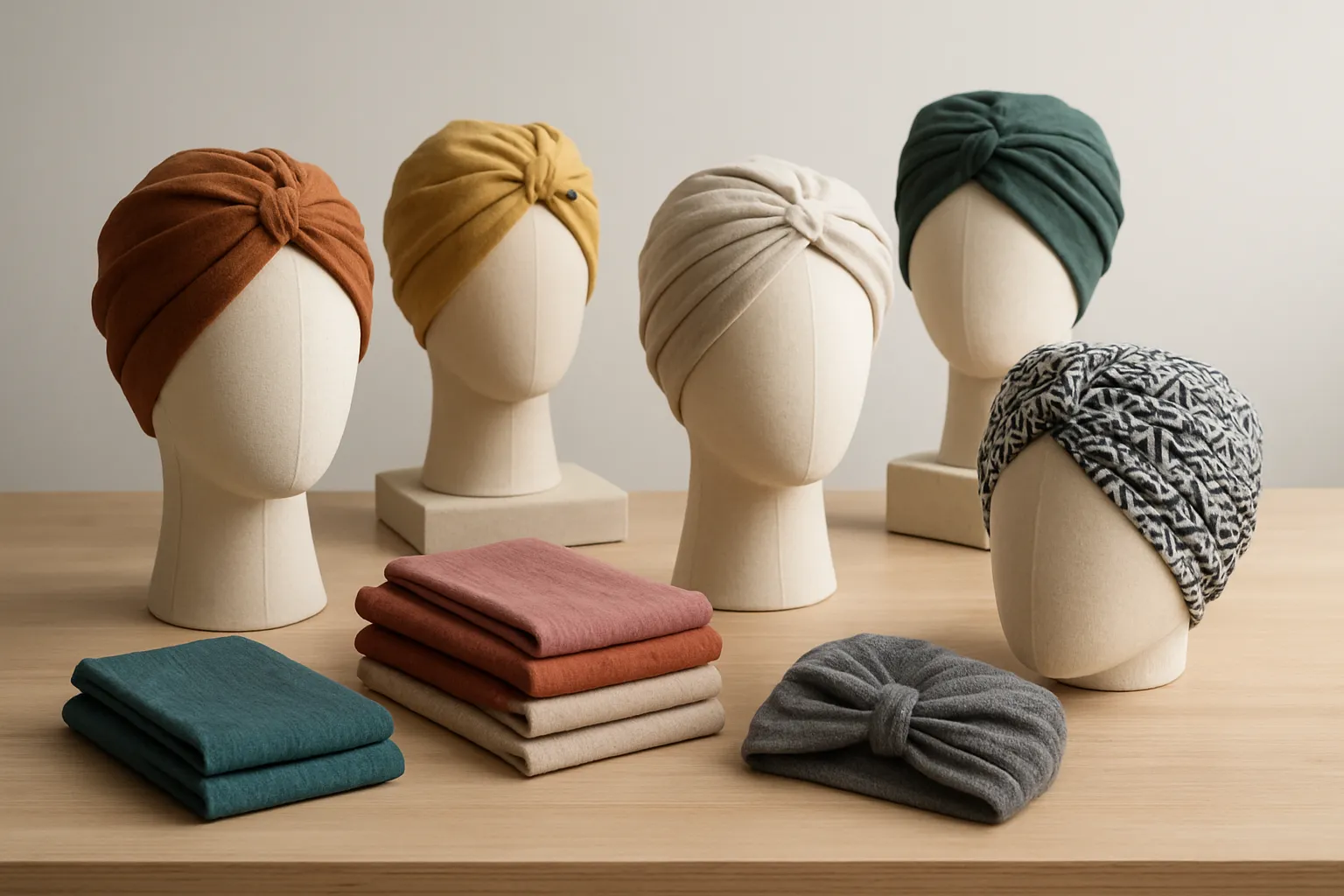
The way you display your headwraps in-store can significantly impact sales. Create an eye-catching display that showcases the variety of designs and colors available. Consider using mannequins or creative signage to draw attention. Additionally, providing styling tips can encourage customers to purchase multiple headwraps.
Frequently Asked Questions
What is the lead time for custom orders?
Lead times for custom orders can vary depending on the supplier and the complexity of the design. Generally, expect a lead time of 2 to 6 weeks. It’s advisable to discuss timelines upfront with your supplier to ensure timely delivery.
How to handle returns and exchanges?
Establishing a clear return and exchange policy is crucial for customer satisfaction. Make sure to communicate this policy effectively in-store and online. Consider offering exchanges for different styles or sizes, especially if the headwraps are custom-made.
What are the best practices for inventory management?
Effective inventory management is key to maintaining a successful retail operation. Implement systems to track sales and stock levels. Regularly review sales data to identify trends and adjust your inventory accordingly. This will help you avoid overstocking or running out of popular items.
Conclusion
Choosing the right custom made headwraps for your retail store involves a thoughtful approach to understanding your audience, sourcing quality products, and implementing effective marketing strategies. By considering the factors outlined in this article, you can create a compelling selection of custom made headwraps that not only meet customer demands but also enhance your brand’s reputation in the marketplace. Embrace the opportunity to offer unique, culturally rich products that resonate with your customers and watch your retail business thrive.