
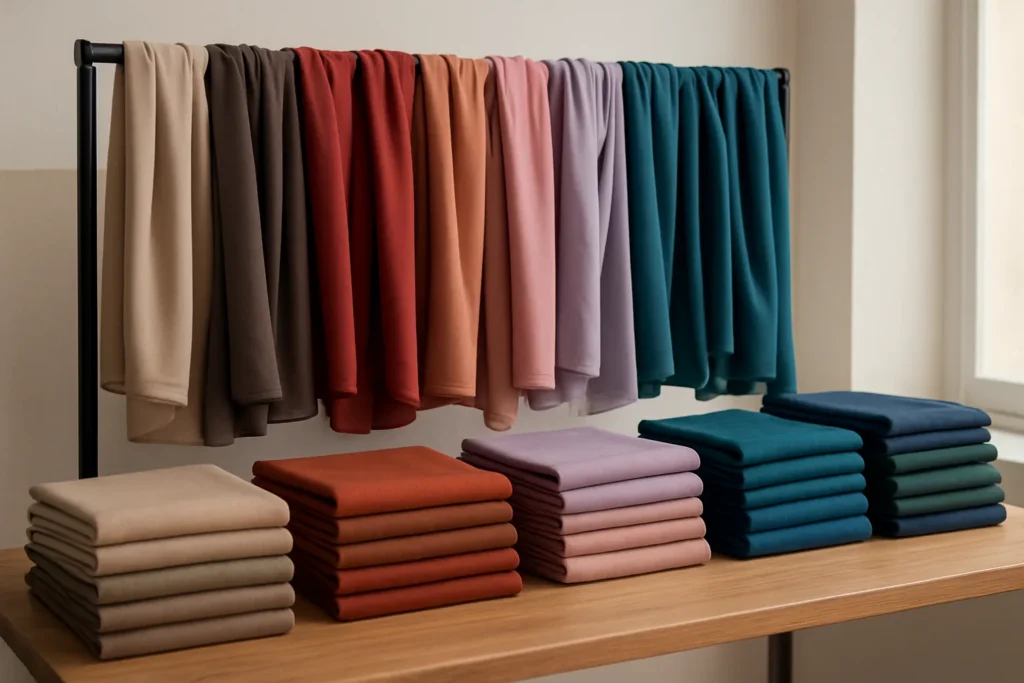
Maximizing Sales with Wholesale Muslim Scarves: A Comprehensive Guide to Success
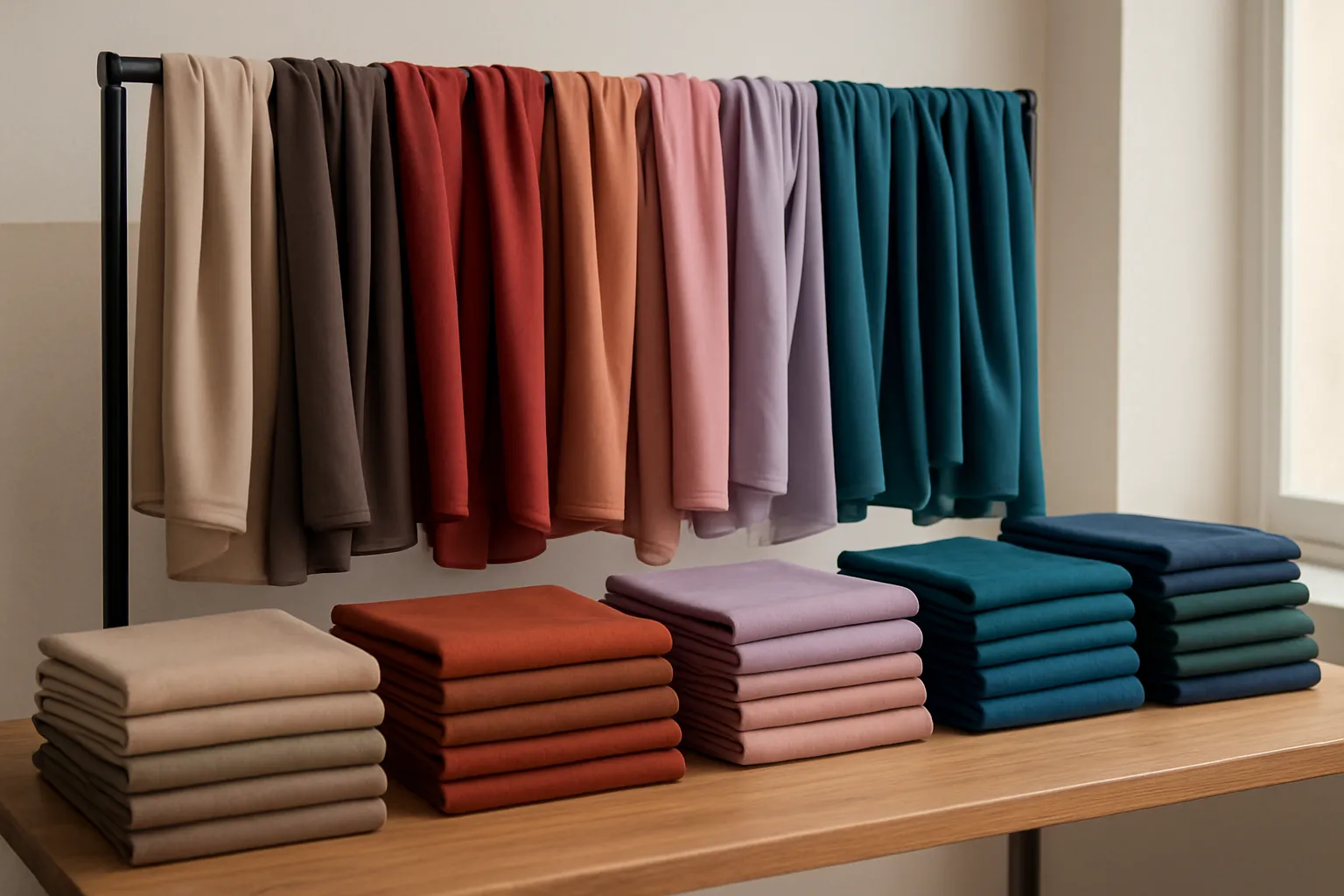
In today’s globalized society, the demand for culturally significant apparel has seen a remarkable increase, with wholesale Muslim scarves emerging as a key product across various markets. Often known as hijabs, shawls, or wraps, these scarves are not just fashion statements; they are essential garments for many women worldwide. The market for wholesale Muslim scarves is growing swiftly, driven by heightened awareness of cultural diversity, evolving fashion trends, and an expanding Muslim population.
From my perspective, the growing visibility of Muslim women in society is contributing significantly to this demand. Retailers and wholesalers aiming to benefit from this trend must grasp the intricacies of the market, including consumer preferences and the critical importance of quality and variety in their offerings.
1. Specifications of Wholesale Muslim Scarves
Materials and Quality
Quality is crucial when it comes to wholesale Muslim scarves. Typically crafted from materials such as cotton, chiffon, silk, and jersey, each fabric offers distinct levels of comfort, breathability, and style. Cotton scarves are popular for their durability and ease of maintenance, while silk scarves are often preferred for formal occasions due to their luxurious touch. In my experience, sourcing scarves made from high-quality materials is essential to meet customer expectations and enhance satisfaction.
Sizes and Styles
Wholesale Muslim scarves come in a range of sizes and styles to cater to diverse preferences and cultural practices. Sizes can vary from lightweight wraps to larger shawls, accommodating different draping styles. Styles may include everything from simple solid colors to intricate patterns and embellishments, allowing retailers to present a varied product range that appeals to a broad audience.
Customization Options
Customization is a significant advantage in the wholesale Muslim scarf market. Retailers can offer personalized options such as custom prints, colors, and sizes, which enables them to meet specific customer needs. This flexibility not only boosts customer satisfaction but also fosters brand loyalty, as consumers appreciate the opportunity to express their individuality through customized products.
2. Use Cases for Wholesale Muslim Scarves
Retail Opportunities
Wholesale Muslim scarves present a multitude of retail opportunities. They can be marketed through traditional brick-and-mortar stores, online platforms, and pop-up shops, appealing to a wide range of customers. Retailers can also create bundled offerings, pairing scarves with complementary products like modest clothing or accessories, which can increase average transaction values and enhance customer experience.
Event and Promotional Uses
These scarves are not merely retail products; they also serve well for events and promotional purposes. Businesses can utilize wholesale Muslim scarves for corporate gifts, promotional giveaways, or as part of event merchandise. Custom branding on scarves can improve visibility and leave a lasting impression among attendees, making them a valuable marketing asset.
Cultural and Religious Significance
Wholesale Muslim scarves carry profound cultural and religious importance. For many women, wearing a scarf is a reflection of faith and identity. Retailers can capitalize on this aspect by providing educational content about the cultural significance of scarves, fostering a deeper connection with consumers and promoting respectful representation.
3. Comparing Wholesale Muslim Scarves
Price Comparisons
When entering the wholesale market for Muslim scarves, conducting price comparisons is essential. Retailers should assess different suppliers to ensure competitive pricing without sacrificing quality. Understanding the price spectrum for various materials and styles can assist in making informed purchasing decisions.
Quality Assessments
Quality assessments are vital when comparing wholesale Muslim scarves. Retailers should take into account factors like fabric durability, stitching quality, and overall finish. Conducting sample tests from potential suppliers can provide insights into the quality of their products, ensuring that only the best items reach consumers.
Supplier Reliability
Supplier reliability stands as a critical factor in the wholesale market. Retailers must thoroughly vet potential suppliers regarding their reputation, delivery timelines, and customer service. Establishing relationships with dependable suppliers can lead to smoother operations and consistent product availability.
4. Sourcing Wholesale Muslim Scarves
Finding Reliable Suppliers
Finding reliable suppliers for wholesale Muslim scarves requires diligent research. Attending trade shows, exploring online marketplaces, and networking within industry circles can aid retailers in identifying reputable manufacturers. Utilizing platforms like Alibaba or trade associations can also streamline the sourcing process, making it easier to connect with trusted suppliers.
Evaluating Supplier Credentials
Evaluating supplier credentials is crucial for ensuring quality and reliability. Retailers should inquire about suppliers’ certifications, production processes, and previous client testimonials. A supplier’s track record can provide valuable insights into their ability to meet quality and delivery expectations.
Import and Export Considerations
For businesses seeking to source wholesale Muslim scarves internationally, understanding import and export regulations is essential. Retailers should familiarize themselves with tariffs, customs regulations, and shipping logistics to avoid unexpected costs and delays, which can significantly impact their bottom line.
5. Implementing Wholesale Scarves in Business Strategy
Inventory Management
Effective inventory management is vital for businesses selling wholesale Muslim scarves. Retailers should implement systems that track stock levels, forecast demand, and manage reorders efficiently. This approach minimizes excess inventory and ensures that popular items are consistently available for customers.
Marketing Strategies
Developing targeted marketing strategies can greatly enhance sales of wholesale Muslim scarves. Utilizing social media platforms, influencer partnerships, and content marketing can help reach potential customers. Highlighting the unique features and cultural significance of the scarves can also attract interest and drive sales.
Customer Engagement Techniques
Effectively engaging customers can foster loyalty and encourage repeat business. Retailers can implement loyalty programs, personalized marketing campaigns, and customer feedback initiatives to create a more interactive shopping experience. Encouraging customers to share their styles on social media can also amplify brand visibility and create a community around the product.
6. FAQs about Wholesale Muslim Scarves
Common Buyer Questions
Buyers often have inquiries regarding the sourcing process, minimum order quantities, and payment terms. Providing clear and comprehensive answers can enhance customer confidence and streamline the purchasing experience, making it easier for them to make informed decisions.
Shipping and Delivery Inquiries
Shipping and delivery are critical components of the wholesale process. Retailers should be transparent about shipping costs, estimated delivery times, and tracking options. Ensuring timely delivery can significantly impact customer satisfaction and retention, which are crucial for long-term success.
Return and Exchange Policies
Establishing clear return and exchange policies is vital for managing customer expectations. Retailers should communicate these policies upfront, making it easy for customers to understand their options in case they are dissatisfied with their purchase.
7. Conclusion
In conclusion, wholesale Muslim scarves represent a significant opportunity for businesses aiming to penetrate diverse markets. By understanding the specifications, use cases, and sourcing strategies, retailers can effectively position themselves to meet the growing demand. The cultural significance and versatility of these scarves make them a valuable addition to any retail offering. As the market continues to evolve, I believe that businesses prioritizing quality, customization, and customer engagement will be best positioned to maximize sales and achieve long-term success.